
NEWS
08-09
2025
Unlock Your Game: The Ultimate Guide to Training Soccer Cleats
In the world of soccer, the right pair of cleats can significantly influence your performance on the field. Training soccer cleats effectively is crucial for achieving optimal comfort, support, and traction. This comprehensive guide will explore everything from selecting the perfect cleats to advanced training techniques, ensuring that you can maximize your potential and "unlock your game." Let’s dive in.
How to Choose the Right Soccer Cleats for Your Game
Selecting the ideal soccer cleats is the first step towards enhancing your game. With various options available, it’s essential to consider several factors:
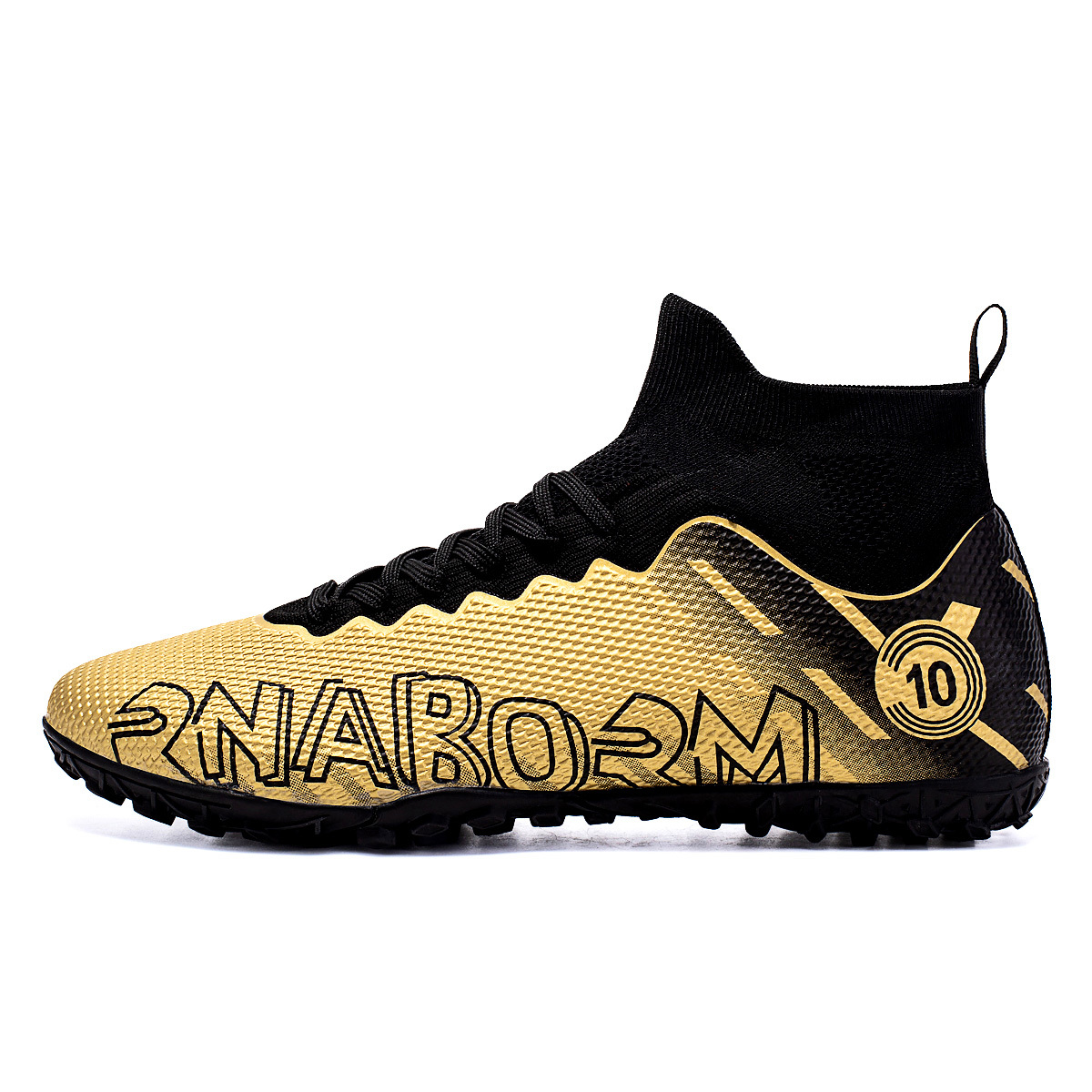
1. Understand Your Playing Style
Your position on the field can dictate the type of cleats you require. For example, strikers may benefit from lightweight, agile cleats, while defenders might need more stability and traction.
2. Different Types of Cleats
Familiarize yourself with the different types of soccer cleats:
- Firm Ground (FG): Best for natural grass surfaces.
- Soft Ground (SG): Designed for wet, muddy fields.
- Artificial Ground (AG): Ideal for artificial turf.
- Indoor (IN): Perfect for indoor soccer fields.
3. Fit and Comfort
A well-fitted cleat can prevent injuries and enhance performance. Ensure that there’s a snug fit around the heel and midfoot while allowing room for toes. Remember, comfort is key.
4. Material Matters
Cleats come in various materials, including leather, synthetic, and mesh. Leather offers superior comfort, while synthetic materials provide durability and water resistance.
The Importance of Training Soccer Cleats
Training your soccer cleats is about more than just breaking them in; it’s about preparing them for the rigors of play. Here’s why training your cleats is essential:
1. Enhancing Comfort
Proper training allows your cleats to mold to your feet, reducing the risk of blisters and discomfort during games.
2. Improving Traction
Cleats designed for training provide better traction. This ensures stability during quick directional changes and sprinting, essential for any soccer player.
3. Boosting Performance
Well-trained cleats can enhance your overall performance, allowing you to make quicker plays and achieve better control of the ball.
Effective Methods for Breaking in New Soccer Cleats
Breaking in new soccer cleats can be a daunting task. However, using the right techniques can make the process smoother and more effective. Here are some strategies:
1. Start Slow
Begin by wearing your new cleats for short training sessions. Gradually increase the duration to allow your feet to adjust.
2. Use Thick Socks
Wearing thick socks can help stretch the material and reduce friction, minimizing discomfort as you break them in.
3. Apply Heat
Consider using a hairdryer on a low setting to warm up areas of the cleats that feel tight. The heat can help the material to stretch and conform to your foot shape.
4. Walk and Jog
Incorporate walking and light jogging into your early training sessions. This will help your cleats adapt while also allowing your feet to acclimate.
Adjusting Your Cleats for Optimal Fit
After breaking in your cleats, you may need to make further adjustments for the perfect fit:
1. Lacing Techniques
Experiment with different lacing techniques to find the most comfortable fit. If you need more stability, try crisscrossing the laces tightly at the midfoot.
2. Insoles
Consider investing in high-quality insoles that provide additional arch support and cushioning. This can enhance comfort and performance.
3. Heel Grip
If your heels slip, try heel grips or adhesive pads designed to keep your foot in place. This will help in preventing blisters.
Advanced Training Techniques for Soccer Cleats
To take your performance to the next level, consider these advanced training techniques:
1. Plyometric Drills
Incorporate plyometric exercises to improve your explosive speed and agility. These exercises can enhance your overall performance on the field.
2. Ball Control Drills
Focus on ball control drills while wearing your cleats. This practice will help you become more comfortable and confident when dribbling and passing.
3. Agility Training
Set up agility cones and practice sharp turns and quick footwork. Training in your cleats under game-like conditions enhances performance.
How to Maintain Your Soccer Cleats for Longevity
Once you've trained your cleats, proper maintenance is vital for ensuring they last:
1. Clean After Each Use
After every game or training session, remove mud and grass from your cleats using a damp cloth. This will prevent damage and maintain performance.
2. Dry Properly
Allow your cleats to dry naturally after cleaning. Avoid placing them near direct heat sources, which can warp the materials.
3. Store Correctly
Keep your cleats in a cool, dry place away from direct sunlight. Use shoe trees or stuff them with newspaper to maintain their shape.
Common Mistakes to Avoid When Training Soccer Cleats
To ensure you're getting the most out of your cleats, avoid these common pitfalls:
1. Ignoring Fit
Never compromise on fit. Ill-fitting cleats can lead to blisters and injuries, hampering your performance.
2. Skipping Break-in Period
Don’t rush into using new cleats for a full match. Always allow for a proper break-in period to prevent discomfort.
3. Neglecting Maintenance
Failing to maintain your cleats can lead to premature wear and tear. Make cleaning and care part of your routine.
Frequently Asked Questions
1. How long does it take to break in soccer cleats?
Breaking in soccer cleats typically takes a few hours of wear over several training sessions.
2. Can I wear my soccer cleats on artificial turf?
Yes, but ensure you choose the appropriate type of cleat designed for artificial ground to prevent damage and ensure proper traction.
3. What should I do if my cleats are too tight?
Use thick socks, lace them differently, or apply heat to stretch the material. If problems persist, consider getting a larger size.
4. How often should I clean my soccer cleats?
It’s best to clean your cleats after every use to maintain their performance and longevity.
5. Are expensive cleats worth the investment?
Higher-priced cleats often offer better materials, durability, and technology that can enhance your playing experience.
Conclusion
Training soccer cleats is an essential part of maximizing performance on the field. By understanding how to choose, break in, adjust, and maintain your cleats, you can significantly enhance your comfort and performance. Remember, the right cleats paired with proper training techniques can unlock your true potential. Invest time in your training process, and watch as your game elevates to new heights. Whether you’re a beginner or a seasoned player, these strategies will serve you well in your pursuit of soccer excellence.
RELATED NEWS

MESSAGE
QUANZHOU RUNON TRADE CO.LTD
Add: 3/F,YYP Building,Jiangtou,Chendai,Jinjiang,Quanzhou,Fujian,China
Phone:+86 15259585760
E-mail:info@runonshoes.com
Copyright © 2025 QUANZHOU RUNON TRADE CO.LTD
-
微信

扫一扫 微信二维码
- Top